



EB Curing: Understand the Process Behind the Finish
A surface can be matt, glossy or textured for different reasons. Understanding where electron-beam curing fits helps you compare finishes clearly and ask for the right evidence before specifying a panel.
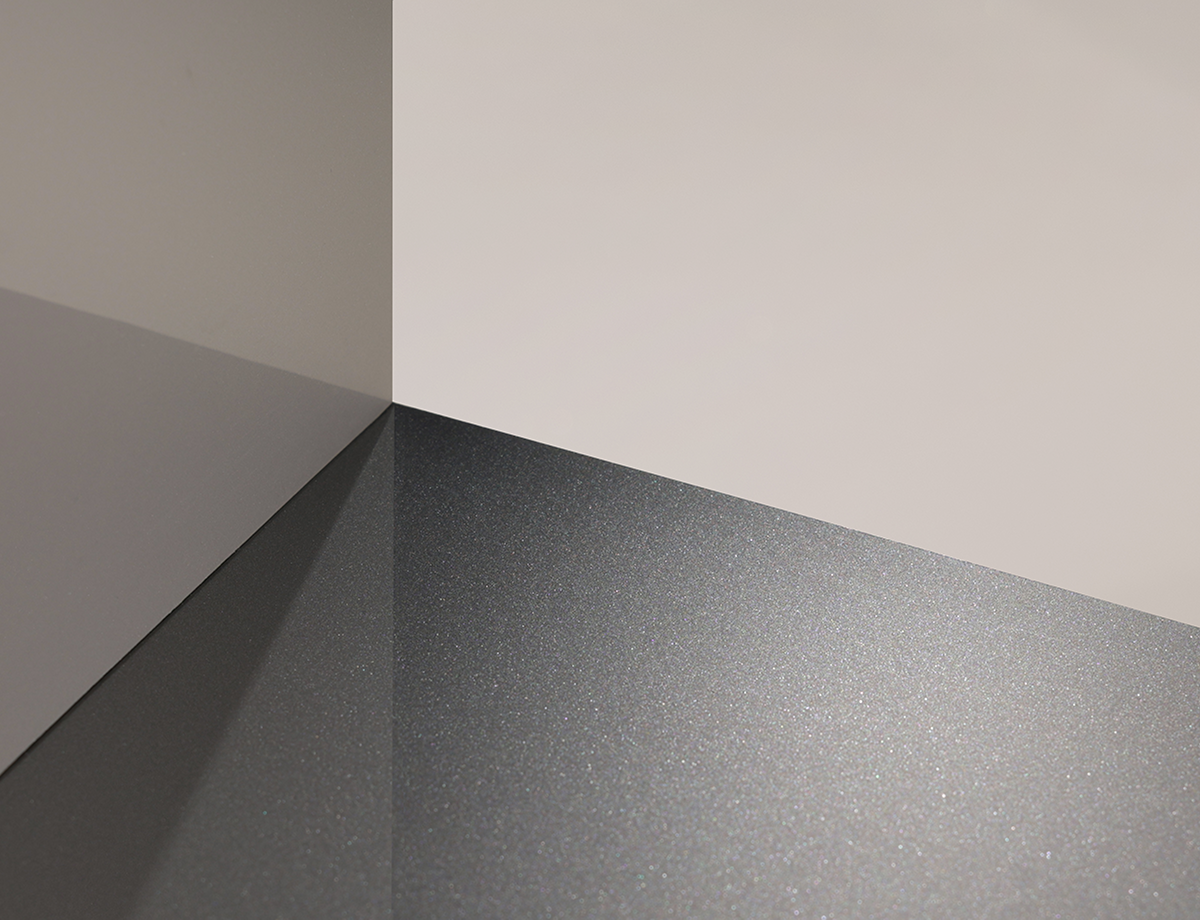
Where curing fits
A decorative panel combines several jobs. The core supports the component; the decorative surface creates colour and character; the exposed edge completes the detail. A curing process sets a coating or surface layer within that construction.
EB means electron-beam curing. It describes a manufacturing process, while a collection name describes a design and surface direction. Keeping those ideas separate makes the finished product easier to understand: first identify the construction, then consider the appearance and applicable performance data.
Curing and matting do different jobs
In a compatible coating, accelerated high-energy electrons initiate reactions that link reactive molecules into a polymer network. This is EB curing: a liquid layer becomes a solid coating. The electrons can initiate the reaction without a light-activated photoinitiator.
Matting concerns how a surface reflects light. Microscopic texture scatters reflections. Excimer matting, for example, creates fine folds in the upper coating layer before the material beneath is fully cured. Surface texturing and through-curing therefore perform different roles. The actual formulation and process determine the finished result.
Similar appearances, different constructions
Two matt samples can look related while using different surface constructions. The current FineMatte direction uses PET film to create matt depth and selected metallic effects. WoodGrain Nano is described as a melamine-based construction with an EB-cured surface, giving it a refined timber-like character.
That distinction matters when a finish moves from a flat door to a curved feature, or from a complete panel to a separate surface sheet. Confirm the actual supplied product instead of assuming that every matt or “Nano” finish uses the same process.
- Appearance
- What the sample reveals about reflection, colour, pattern and touch.
- Construction
- The materials and manufacturing combination behind that sample.
- Supplied form
- The complete panel, thin laminate or film the workshop will receive.
Connect a benefit to the finished product
A process name is useful background, but the relevant evidence concerns the specified product. Scratch behaviour, colour stability, emissions and care requirements need their own scope and conditions. A surface observation and a laboratory result answer different questions.
For example, a formaldehyde report identifies the tested panel and a method. It does not follow from the letters EB, and it does not describe every surface made with that technology. In the same way, a soft-touch sample helps you assess feel without setting a shelf load or approving a kitchen worktop.
For any specialist requirement, request the document for the actual product, thickness and supplied configuration. Keep the report date and test method with the specification.
Compare the finish where it will be used
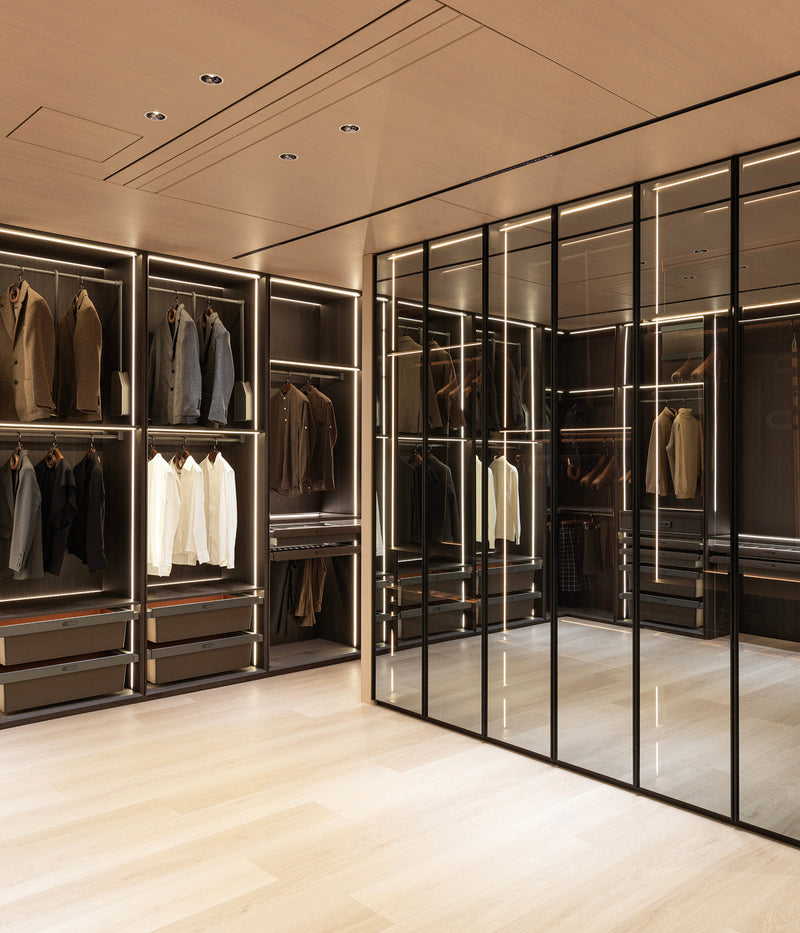
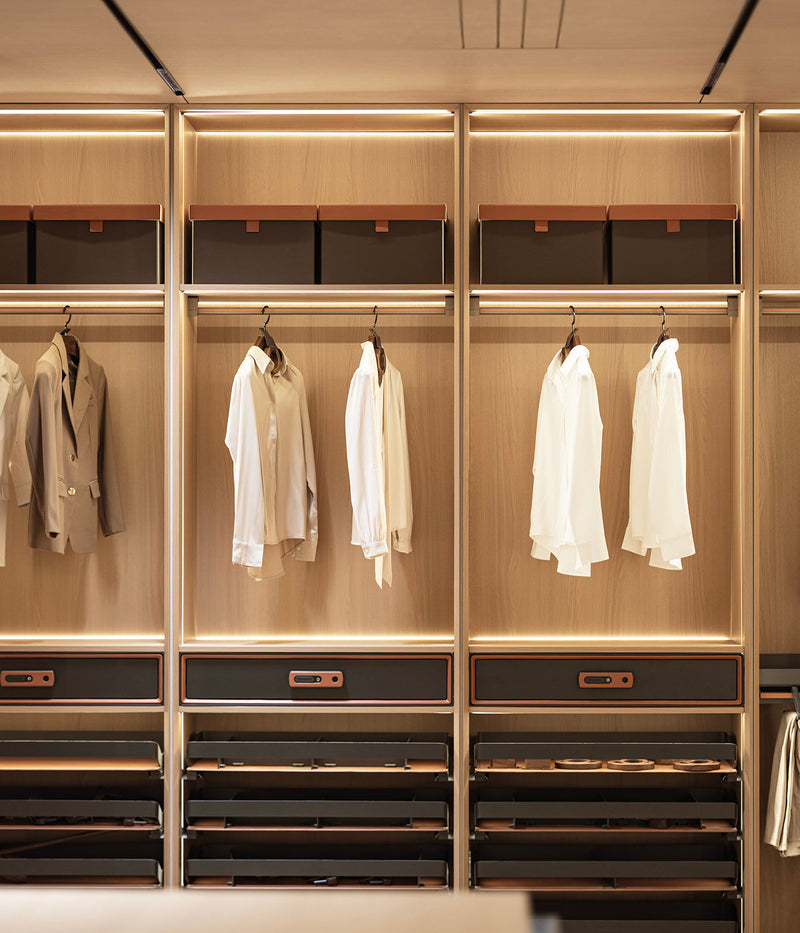
Place labelled samples under the same light. View them at similar angles, then feel the surface and compare it with neighbouring stone, flooring and hardware. This connects the manufacturing story to the decision that matters in the room.
- Record the collection, décor code and current sample reference.
- Identify the component, finished size and intended use.
- Confirm the supplied form, core, faces and matching edge.
- Request the applicable technical and care information.
Explore the WoodGrain Nano finish or compare the FineMatte surface direction with the same product questions in mind.
Leave a comment
This site is protected by hCaptcha and the hCaptcha Privacy Policy and Terms of Service apply.