



WoodGrain: Pattern and Texture in Balance
A convincing woodgrain depends on more than the printed image. Verdécor’s texture systems bring pattern and surface relief into the same design conversation, with ExactSync and NaturalGrain Plus offering different approaches to timber character.
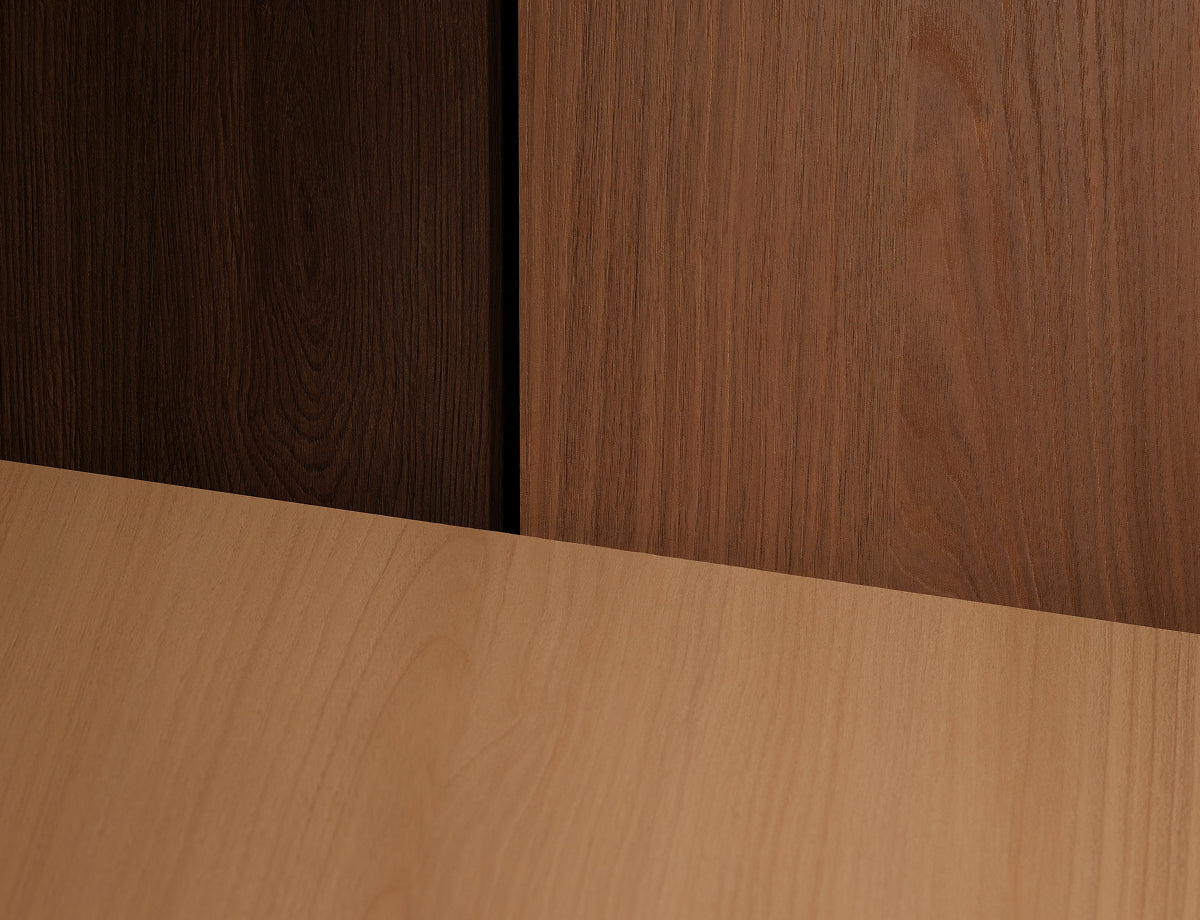
Look at the image and the relief
Timber character comes from light and dark tones within the grain, subtle colour transitions and the way light catches surface pores. A decorative woodgrain panel brings those qualities together through its printed décor and its surface texture.
In melamine construction, decorative paper supplies the pattern. Resin, heat and pressure bond the face to the core, while the steel press plate contributes texture and gloss. The image and physical relief have separate roles, even when the finished surface makes them feel closely connected.
ExactSync and NaturalGrain Plus
- ExactSync
- Embossing follows the printed grain through a décor-specific relationship between pattern and relief.
- NaturalGrain Plus
- A texture selected to suit the timber type or décor, creating its own timber-like character.
Chestnut Oak 4024 is an example of ExactSync; Aspen Walnut 4040 shows NaturalGrain Plus. These examples help explain the difference; the texture system should still be confirmed on the actual décor and sample version.
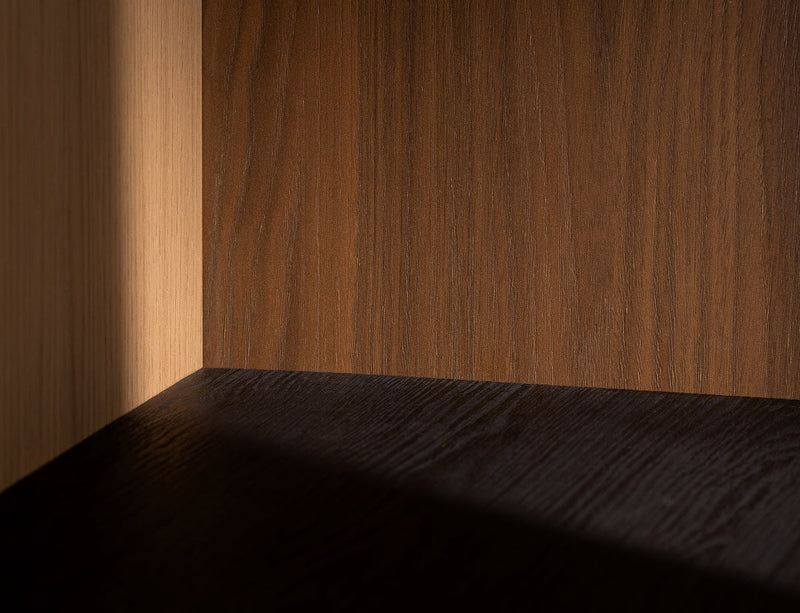
A textured surface is not automatically ExactSync. View the grain under an angled light and gently feel the relief, then check the label. The aim is to choose a character that suits the composition, rather than to rank every surface by one manufacturing feature.
Move from a chip to the elevation
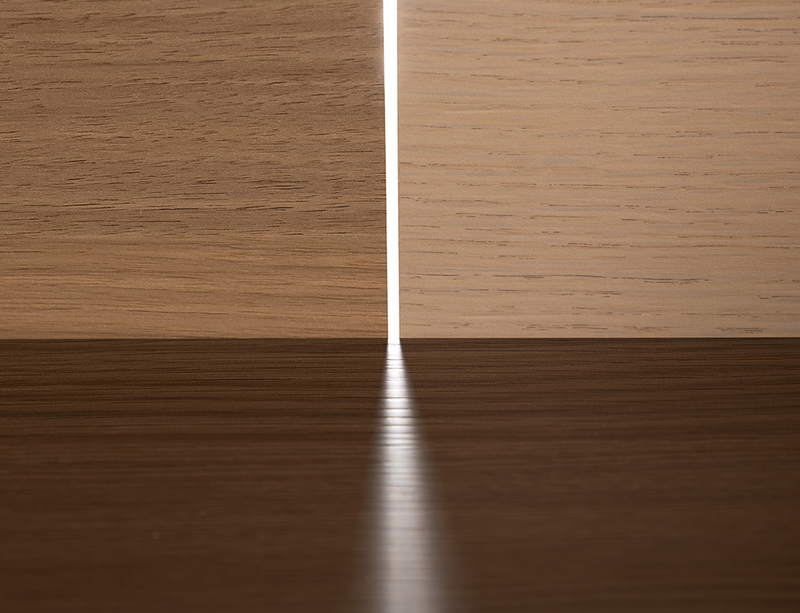
Use the small sample for an initial colour and tactile comparison. Then inspect a larger view to understand pattern scale, direction and changes across the décor. Relate that view to the actual door, wall panel or cabinet run.
Plan the grain direction before finalising the cut arrangement. In the Project Arfi example, Chestnut Oak’s ExactSync texture works alongside coordinating HPL for curved details and edging for framed-door detailing. Each component needs its own form and fabrication choice, even when the appearance is coordinated.
Select the family member and configuration
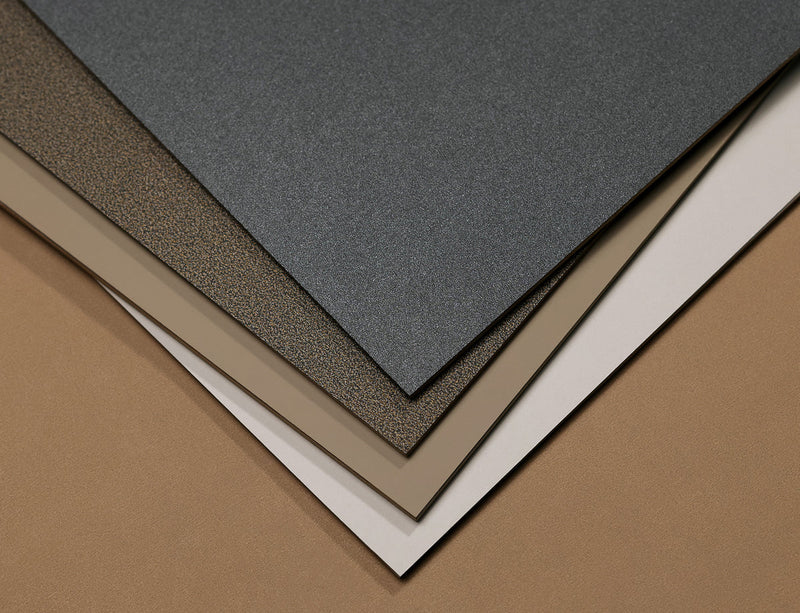
Standard WoodGrain offers a broad timber palette. WoodGrain 2070 brings wide-format priorities, while WoodGrain Nano focuses on a refined tactile character. Begin with the design need, then identify the current product.
Record the décor, texture version, supplied form, core, sheet dimensions, faces and edging. Browse the WoodGrain collection and review the preferred sample under the project lighting before confirming the specification with the fabricator.
Leave a comment
This site is protected by hCaptcha and the hCaptcha Privacy Policy and Terms of Service apply.